
As much as I love dog training, there are days when I simply don’t have the mental or physical energy for a longer, highly structured training session. However, I still try to find small ways to incorporate training into our daily routine, even if it’s only for a few minutes.
I believe any amount of training can be beneficial, provided you’ve established clear expectations and are working toward a specific goal. Consistency is often more important than the length of a training session.
Here are three simple ways I incorporate dog training into everyday life, each taking five minutes or less.
1. Turn Everyday Walks and Errands Into Training Opportunities
While leash walks may not always seem particularly productive, especially for our high-energy bird dog breeds, most of us find ourselves walking our dogs on leash at some point throughout the week. Why not use that time to reinforce good habits?
I like to practice heeling at my left side, both on and off leash when it’s safe to do so. When practicing off-leash work, I often let the leash drag in appropriate, secure areas as an added safety measure.
I also frequently bring my dogs along when running errands around town. New environments provide excellent opportunities to practice obedience around unfamiliar sights, sounds, people, and distractions.
Some of our training locations have included hardware stores, pharmacies, ATMs, farmers markets, pet and feed stores, and even the mechanic’s shop. If dogs aren’t allowed inside, I’ll often take a few minutes to practice heeling in the parking lot before returning them to their crates.
These quick exercises help reinforce the expectation that good manners apply everywhere, not just at home or in the training field.
2. Make the Most of Free Runs and Hikes
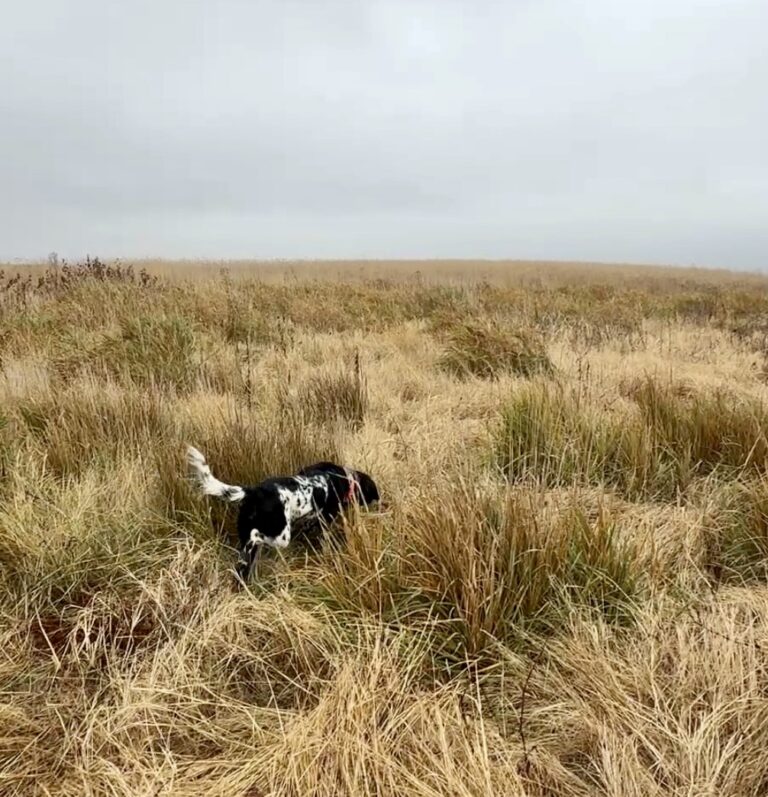
Most of our bird dogs need opportunities to run, explore, and burn off energy several times a week. I use these outings to reinforce obedience while still allowing my dogs to enjoy themselves.
During free runs, I incorporate a few repetitions of recall, handling and directional changes, and whoa commands. For flushing dogs, this might mean practicing sit instead.
I also take advantage of whatever the environment provides. Benches, picnic tables, and other safe, sturdy surfaces can become opportunities to practice place work. I’ll vary how long I ask my dogs to remain in position before releasing them to continue exploring.
Depending on the day, I may also have a dog hold or carry a bumper for short portions of the hike.
These little training moments help reinforce skills in real-world situations without turning the entire outing into a formal training session.
3. Use Mealtimes to Reinforce Obedience
Mealtimes are another excellent opportunity to squeeze in a few repetitions, especially if your dog already has a foundation in working for food as positive reinforcement.
I frequently use portions of my dogs’ kibble to reward formal retrieve work or practice obedience positions through food luring, including sit, stand, down, front, and heel.
I also ask my dogs to whoa or wait before releasing them to finish the rest of their meal.
It only takes a minute or two, but it reinforces patience, impulse control, and the understanding that following commands leads to positive outcomes.
Small Sessions Add Up
These three approaches are my go-to methods for fitting training into busy days when I don’t have the time or energy for a longer session involving birds, helpers, or additional equipment.
It’s easy to feel like a few quick repetitions aren’t accomplishing much, especially when you’re working toward bigger training goals. But those small moments of consistent reinforcement can make a significant difference over time.
Dog training doesn’t always require a dedicated hour, a perfectly planned session, or an elaborate setup. Sometimes, five intentional minutes are all you need to keep making progress.
The key is to be consistent, have a clear goal, and recognize the training opportunities already built into your everyday routine.