
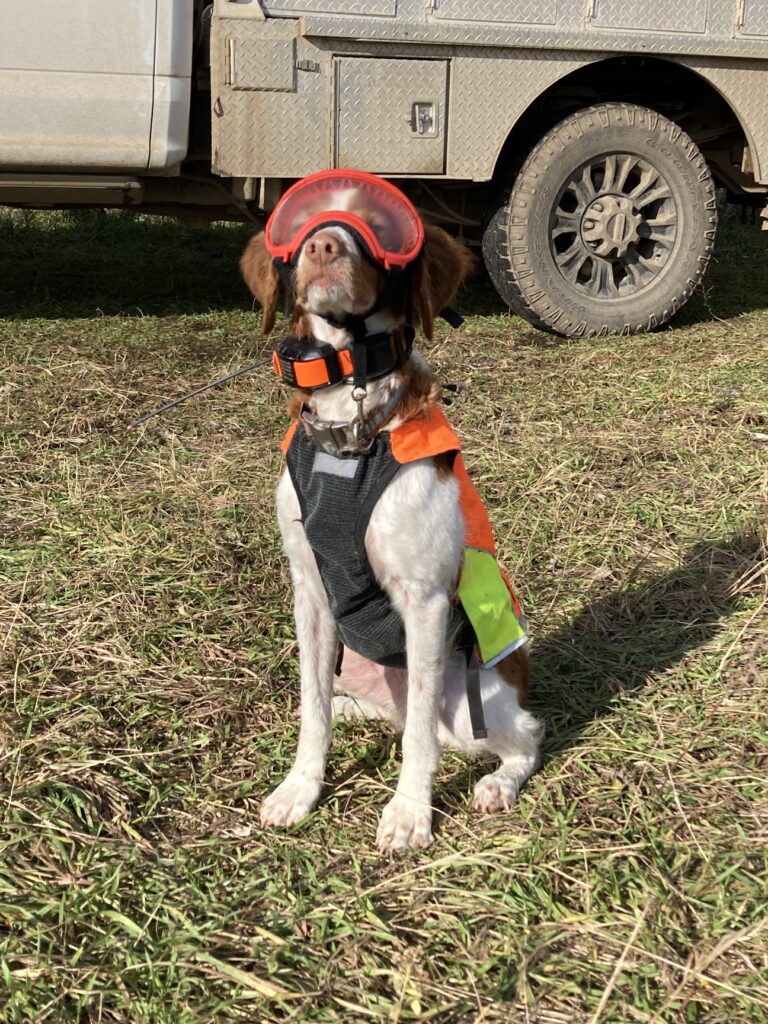
Should Your Dog Wear a Winter Coat?
With PNW CoordinatHer Gina Deem
With the first snowfall of the season here in Montana, it’s a good time to talk about keeping our four-legged hunting partners warm during the colder months.
We spend plenty of time making sure we have the right layers for cold-weather hunting, but what about our dogs? Do they really need a winter coat?
The answer is that it depends. While many dogs are naturally equipped to handle colder temperatures, others benefit from a little extra protection. Breed, size, age, coat type, health, and weather conditions all play a role in determining whether your dog needs an additional layer.
Which Dogs Benefit From a Winter Coat?
Not every dog needs to be bundled up when temperatures drop. Breeds with thick, double coats, such as Labradors, Golden Retrievers, and German Shepherds, often tolerate cold weather better than short-haired or smaller breeds.
However, some dogs are more susceptible to cold temperatures, including:
– Small and toy breeds that lose body heat quickly
– Short-haired breeds with limited natural insulation
– Lean dogs with very little body fat
– Puppies and senior dogs
– Dogs with health conditions that affect their ability to regulate body temperature
Even cold-tolerant breeds may benefit from additional protection during extreme temperatures, strong winds, or prolonged exposure to wet conditions.
### How Cold Is Too Cold?
There isn’t a single temperature that determines when every dog needs a coat. However, these general guidelines can help you decide when additional protection may be appropriate.
| Temperature | Recommendation |
|—|—|
| Above 45°F | Most healthy, cold-tolerant dogs are comfortable without a coat. |
| 32–45°F | Consider a coat for small, short-haired, senior, or cold-sensitive dogs. |
| 20–32°F | Additional protection is often beneficial for vulnerable dogs, especially during longer outings. |
| Below 20°F | Use extra caution, limit exposure as needed, and consider insulated protection. |
Keep in mind that wind, moisture, snow, and the amount of time spent outdoors can significantly affect how comfortable your dog feels.
### Signs Your Dog Is Getting Too Cold
Our dogs can’t tell us when they’re uncomfortable, so it’s important to watch their body language. Common signs include shivering, repeatedly lifting their paws, tucking their tail, whining, slowing down, or trying to find shelter.
If your dog begins showing these signs, it’s time to get them somewhere warm. Weakness, confusion, or unusual lethargy may indicate dangerous cold exposure and require immediate veterinary attention.
Don’t forget about their paws! Ice buildup between toes, frozen ground, and de-icing chemicals can cause irritation or discomfort. Protective booties or simply cleaning and drying their paws after an outing can make a difference.
### Choosing the Right Winter Coat
When shopping for a winter coat, focus on functionality rather than fashion. A good coat should provide warmth and weather protection without restricting your dog’s movement.
Look for insulation, water-resistant or waterproof materials, proper chest and back coverage, and a comfortable fit. For active bird dogs, freedom of movement around the shoulders is especially important.
A few brands worth considering include:
**Ruffwear:** A great option for active dogs that hike, run, and spend extended periods outdoors. Their insulated jackets are designed with movement and durability in mind.
**Hurtta:** Known for cold-weather protection, adjustable fits, and coverage that works well for dogs spending time in snow and wind.
**Canada Pooch:** Offers a variety of insulated jackets and puffers that work well for everyday walks and dogs needing additional warmth.
**Kurgo:** Another option for functional, everyday dog jackets at a generally more affordable price point.
Regardless of the brand, measure your dog’s chest, neck, and back length before purchasing. A coat that’s too tight can restrict movement, while one that’s too loose may shift or cause rubbing.
### What About Our Bird Dogs?
For those of us who spend hours in the field with our bird dogs, cold-weather protection deserves extra consideration.
A hard-charging dog may generate plenty of body heat while actively hunting, but that same dog can become chilled quickly when resting, especially after running through snow, wet grass, or icy water.
Even dogs that don’t need a coat while hunting may benefit from an insulated jacket when they’re finished working, riding back to the truck, or waiting between hunts. Drying them thoroughly and providing a warm, sheltered place to rest are just as important.
Remember, every dog is different. Some thrive in freezing temperatures, while others would much rather be curled up next to the fireplace.
**The goal isn’t to dress every dog for winter. It’s to recognize your dog’s individual needs and make sure they’re comfortable, protected, and ready for the next adventure.**
After all, our bird dogs work hard for us in the field. The least we can do is make sure we’re taking good care of them when the temperatures drop.